
Surfaces Designed for Wet Areas and Heavy Use
Tile flooring in Gastonia for bathrooms, entryways, and spaces where water resistance and durability matter most
When water sits on the floor regularly or foot traffic concentrates in specific areas, tile flooring provides a hard surface that doesn't absorb moisture or wear down from abrasion. Innovations Floors installs tile flooring for homeowners in Gastonia who need a material that withstands bathroom humidity, tracked-in mud near doorways, or the kind of cleaning routine that involves mopping with water. Tile's fired ceramic or porcelain body creates a surface that won't swell, warp, or degrade when exposed to standing water, making it the standard choice for showers, tub surrounds, and areas where other materials fail structurally.
Tile installation involves setting individual pieces in thinset mortar, spacing them with grout joints, and sealing the grout to prevent water infiltration. The mortar bonds the tile to the subfloor or backer board, while the grout fills the gaps and allows for slight movement without cracking the tile itself. Porcelain tile is denser and less porous than ceramic, which makes it more resistant to freeze-thaw cycles and staining, but both types require proper substrate preparation to prevent cracking from subfloor flex or settling.
Arrange an on-site consultation to assess your substrate and discuss tile size, grout joint width, and layout options.
How Tile Installation Addresses Substrate and Moisture
The substrate must be rigid enough to support tile without flexing, because tile doesn't bend—it cracks when the surface beneath it moves. Concrete slabs work well as-is if they're level and free of curing compounds that prevent mortar adhesion. Wood subfloors require cement backer board installed over the plywood to create a stable, moisture-resistant base that won't shift under the tile. Innovations Floors checks joist spacing and subfloor thickness to verify that deflection stays within industry standards, typically L/360 for tile installations, meaning the floor shouldn't deflect more than the span length divided by 360.
Once tile is installed and grouted, you'll see a surface that sheds water immediately rather than absorbing it. Grout lines remain the vulnerable area—unsealed grout allows water to penetrate and reach the substrate, which can lead to mold growth or mortar deterioration. Sealed grout repels water and resists staining from dirt or soap residue, but the sealer needs reapplication every one to three years depending on traffic and cleaning frequency.
Tile installation includes setting the tile and grouting the joints, but it doesn't cover removal of old flooring, demolition of existing backer board, or plumbing adjustments if toilet flanges or drain heights don't align with the new floor level. If your subfloor has water damage or insufficient support, those repairs happen separately before tile work begins.
Common Questions About This Service
Property owners in Gastonia typically want to understand tile performance and installation requirements before committing to the material.
- What makes porcelain tile different from ceramic tile? Porcelain is fired at higher temperatures and has a denser body with lower water absorption, usually less than 0.5 percent. Ceramic tile absorbs more water, which makes it less suitable for exterior applications or unheated spaces where freezing could cause cracking, but it works fine for interior floors and walls.
- How does tile hold up in Gastonia's climate? Tile itself isn't affected by humidity or temperature swings, but the grout and substrate can be. Properly sealed grout prevents moisture from reaching the mortar bed, and using backer board instead of drywall in wet areas prevents substrate damage from steam or splashing water.
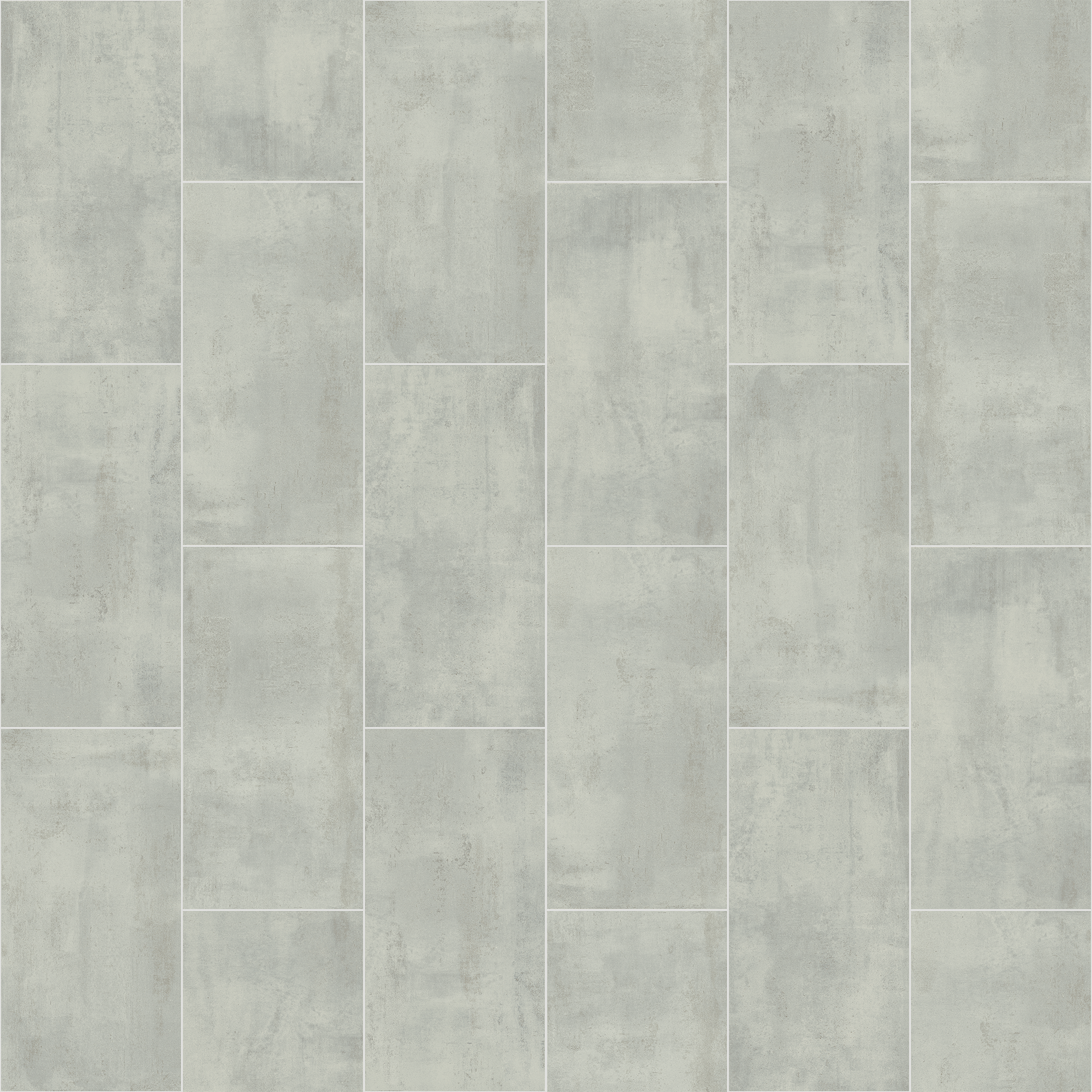
- When should large-format tile be used instead of smaller tiles? Large-format tile, typically 12x24 inches or larger, reduces the number of grout lines and creates a more seamless look, but it requires a flatter subfloor because any deviation becomes more noticeable. Small mosaics or standard 12x12 tiles are more forgiving on subfloors that aren't perfectly level.
- Why does grout crack or discolor over time? Grout cracks when the substrate flexes, when too much water is added during mixing, or when joints are too narrow for the tile size. Discoloration happens when grout isn't sealed and absorbs dirt, cleaning chemicals, or hard water minerals that stain the porous surface.
- What's the difference between sanded and unsanded grout? Sanded grout is used for joints wider than 1/8 inch because the sand particles provide structural strength and prevent shrinkage. Unsanded grout works for narrow joints and polished tile surfaces where sand could scratch the glaze.
Innovations Floors prepares substrates to meet deflection standards and applies grout sealer after installation to protect the finished surface. Request a detailed estimate that outlines substrate requirements and what prep work your specific project needs.