
Floors That Handle Moisture and Daily Traffic
Vinyl flooring in Gastonia for homes needing water-resistant surfaces in kitchens, bathrooms, and high-traffic areas
Innovations Floors installs vinyl flooring in Gastonia for homeowners dealing with spaces where water exposure and foot traffic make other materials impractical. You're looking at a flooring option that resists spills, tolerates moisture from humidity or tracked-in water, and maintains its appearance under consistent use. The material's construction—multiple layers bonded together—creates a surface that can handle what ceramic tile offers structurally while providing some of the warmth and comfort underfoot that hardwood delivers visually.
Vinyl flooring works by combining a wear layer, a printed design layer, a core layer for stability, and a backing layer that adheres to the subfloor. This layered construction allows the material to flex slightly under pressure without cracking, which makes it suitable for homes where subfloor movement or temperature shifts could cause rigid materials to fail. The wear layer determines how well the surface resists scratches and scuffing, while the core layer—either solid vinyl or a wood-plastic composite in luxury vinyl plank products—affects dimensional stability and sound transmission.
Schedule a consultation to review your subfloor condition and discuss which vinyl construction best suits your space.
What Proper Installation Requires
The subfloor needs to be level, clean, and dry before vinyl goes down. High spots or debris left on the subfloor telegraph through the vinyl over time, creating visible imperfections or areas where the wear layer deteriorates faster. Innovations Floors evaluates subfloor flatness using a straightedge to identify deviations that exceed manufacturer specifications, typically no more than 3/16 inch over a ten-foot span. If the subfloor doesn't meet that standard, leveling compound is applied to fill low spots and grinding or sanding addresses high areas.
After installation, you'll notice that the floor feels slightly softer underfoot compared to tile, but firmer than carpet. The seams between planks or tiles remain tight if the material has acclimated to the room's temperature and humidity for at least 48 hours before installation, which prevents expansion or contraction that can create gaps. Water no longer soaks into the floor surface the way it would with untreated wood, so spills can be wiped up without leaving stains or causing swelling.
Vinyl installation doesn't include removal of existing flooring unless that's specified separately. If your current floor has multiple layers, severe damage, or adhesive residue, those conditions need to be addressed before new vinyl can be installed. The type of underlayment used—whether foam, cork, or none at all—depends on whether the vinyl has an attached pad and what kind of sound dampening or cushioning you want.
Questions Before Starting Your Project
Homeowners in Gastonia often ask about vinyl flooring before committing to the material, especially when comparing it to other options for moisture-prone areas.
- How does vinyl perform in spaces with temperature fluctuations? Vinyl expands and contracts with temperature changes, which is why acclimation time matters and why a perimeter gap is left around the room's edges. That gap allows the material to move without buckling and gets covered by baseboards or quarter-round trim.
- What determines how long vinyl flooring lasts? The thickness of the wear layer is the primary factor. Residential vinyl typically has wear layers ranging from 6 mils to 20 mils, with thicker layers providing better scratch resistance and longer usable life in areas where chairs drag, pet claws contact the surface, or grit gets tracked in frequently.
- When should vinyl be replaced instead of other materials? Vinyl makes sense when water exposure is frequent, when you need a softer surface than tile but more durability than laminate, or when subfloor conditions make solid hardwood risky. It's also appropriate when you want the look of wood or stone but need a lower profile to match existing floor heights at transitions.
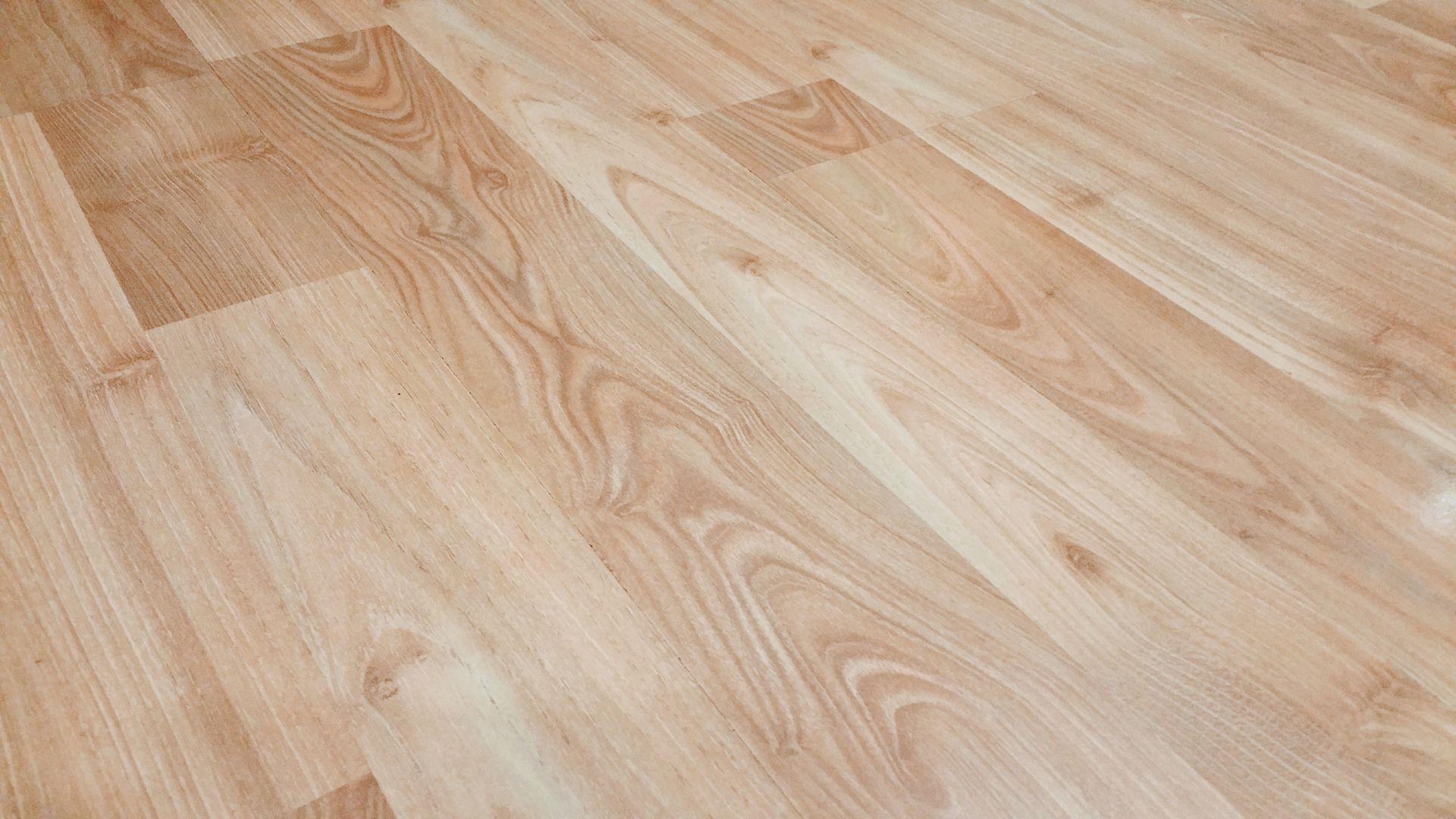
- Why do some vinyl floors look more realistic than others? The quality of the printed design layer and the texture applied to the wear layer determine realism. Higher-end products use high-definition printing and embossing that aligns with the printed grain, creating a surface that mimics wood or stone texture in the same locations where the visual pattern suggests it should appear.
- What's included in vinyl flooring installation? Installation covers subfloor preparation within normal tolerances, acclimation, cutting and fitting the vinyl, and installing transition strips where the vinyl meets other flooring types. It doesn't include baseboard removal or reinstallation, underlayment unless specified, or repairs to subfloor damage beyond standard leveling.
Innovations Floors handles vinyl installation with attention to subfloor prep and material acclimation, which directly affects how the floor performs long-term. Request an estimate that includes subfloor evaluation so you know what prep work your space requires.